

Big Data: How Data Is Powering the Digital World (2026)

In today’s digital age, every click, search, video, transaction, and message creates data. This massive amount of information is what we call Big Data. Companies, governments, and organizations around the world are using Big Data to make smarter decisions, predict trends, and improve services.

Big Data is no longer just a technology term—it is the foundation of modern digital innovation.

This blog explains what Big Data is, how it works, why it matters, and how it is shaping the future.


🔍 What Is Big Data?

Big Data refers to extremely large and complex sets of data that traditional data-processing tools cannot handle efficiently.

Big Data is characterized by the 3 Vs:

  • Volume – Massive amounts of data
  • Velocity – Data generated at high speed
  • Variety – Different types of data (text, images, videos, logs, etc.)

Some experts also add:

  • Veracity – Data accuracy
  • Value – Useful insights from data

🧠 Why Big Data Is Important

Big Data helps organizations:

  • Understand customer behavior
  • Improve business decisions
  • Detect fraud
  • Predict future trends
  • Optimize operations

In simple terms:

Big Data turns raw information into powerful knowledge.


⚙️ How Big Data Works

Big Data systems follow a simple process:

  1. Data Collection
    From websites, sensors, social media, apps, and devices
  2. Data Storage
    Using cloud systems and distributed databases
  3. Data Processing
    Using tools like Hadoop and Spark
  4. Data Analysis
    Finding patterns, trends, and insights
  5. Data Visualization
    Displaying results in charts and dashboards

🧩 Sources of Big Data

Big Data comes from many sources:

  • Social media platforms
  • Mobile apps
  • Online transactions
  • IoT devices
  • Web logs
  • Sensors and machines

Everything connected to the internet produces data.


🖥️ Technologies Used in Big Data

Some popular Big Data technologies include:

  • Hadoop
  • Apache Spark
  • NoSQL databases
  • Cloud platforms
  • Data analytics tools

These technologies allow data to be processed faster and at scale.


🤖 Big Data and Artificial Intelligence

Big Data is the fuel that powers AI and machine learning.

AI systems:

  • Learn from data
  • Improve accuracy
  • Predict outcomes

Without Big Data, modern AI would not be possible.


🏢 How Businesses Use Big Data

Businesses use Big Data to:

  • Analyze customer preferences
  • Personalize marketing
  • Improve supply chains
  • Detect fraud
  • Optimize pricing

Companies that use data effectively gain a competitive advantage.


🏥 Big Data in Healthcare

Big Data helps:

  • Predict diseases
  • Improve treatments
  • Analyze patient records
  • Support medical research

It is transforming how healthcare works.


🔐 Big Data and Security

Big Data also plays a role in:

  • Cybersecurity
  • Fraud detection
  • Risk management

However, handling large data also raises privacy and security concerns.


⚠️ Challenges of Big Data

Big Data is powerful, but it has challenges:

  • Data privacy
  • Security risks
  • Data quality issues
  • High infrastructure cost
  • Skill shortages

Managing Big Data requires careful planning.


💼 Career Opportunities in Big Data

Big Data offers many career paths:

  • Data Analyst
  • Data Scientist
  • Big Data Engineer
  • Business Intelligence Expert

These roles are in high demand globally.


🔮 Future of Big Data

The future of Big Data includes:

  • Real-time analytics
  • AI-driven insights
  • Cloud-based data platforms
  • Smart cities and IoT

Data will continue to be the most valuable digital resource.


🧾 Final Thoughts

Big Data is not just about storing information—it is about understanding the world through data. In 2026, organizations that master Big Data will lead innovation and growth.

Whether you are a student, developer, or business owner, learning about Big Data opens the door to countless opportunities.


🔗 Official References & Further Reading

For trusted information, you can visit:

  • https://www.ibm.com/analytics/big-data
  • https://www.weforum.org/topics/data

Note: If you can’t visit these links due to regional or network restrictions, this article already summarizes the key concepts of Big Data.

The Future of Gaming: How Technology Is Redefining Entertainment

Gaming is no longer just a hobby—it has become a global industry, a cultural movement, and a serious career path. With rapid advancements in technology, the future of gaming is evolving faster than ever before. What we once imagined as science fiction is now becoming reality.

From immersive virtual worlds to cloud-based gaming and AI-driven experiences, the gaming industry is entering a new era that will transform how games are played, created, and experienced.


🔍 Evolution of Gaming: A Quick Look Back

Gaming has come a long way:

  • Early arcade and console games
  • PC and online multiplayer gaming
  • Mobile gaming revolution
  • Esports and live streaming

Each phase brought new possibilities, and now we are standing at the edge of the next major transformation.


🧠 What Defines the Future of Gaming?

The future of gaming is driven by:

  • Advanced hardware
  • Faster internet connectivity
  • Artificial intelligence
  • Cloud computing
  • Immersive technologies

These innovations are making games more realistic, accessible, and interactive than ever before.


☁️ Cloud Gaming: Play Anywhere, Anytime

Cloud gaming is changing the way games are accessed.

How Cloud Gaming Works:

  • Games run on remote servers
  • Players stream games over the internet
  • No need for high-end hardware

Benefits:

  • Play on low-end devices
  • Instant access to games
  • No downloads or updates

Cloud gaming is making high-quality gaming more affordable and accessible.


🤖 Role of Artificial Intelligence in Gaming

AI is becoming a core part of modern and future games.

AI in Gaming Enables:

  • Smarter non-player characters (NPCs)
  • Adaptive difficulty levels
  • Personalized gameplay experiences
  • Realistic environments and behavior

AI allows games to react to players’ actions in real time, making each experience unique.


🥽 Virtual Reality (VR) and Augmented Reality (AR)

Immersive technologies are shaping the next generation of gaming.

Virtual Reality (VR):

  • Fully immersive 3D environments
  • Motion-based interaction
  • High realism and engagement

Augmented Reality (AR):

  • Digital elements blended with the real world
  • Mobile and wearable gaming experiences

These technologies blur the line between the real and virtual worlds.


🌐 Metaverse and Persistent Game Worlds

The future of gaming includes persistent virtual worlds where players can:

  • Socialize
  • Compete
  • Create content
  • Trade digital assets

Games are evolving into digital universes, not just entertainment products.


🕹️ Cross-Platform and Social Gaming

Modern gamers expect flexibility.

Future Trends:

  • Cross-platform play (PC, console, mobile)
  • Social features built into games
  • Community-driven experiences

Gaming is becoming more social and connected than ever.


🧑‍💻 Game Development in the Future

Game development is also transforming.

Key Changes:

  • Use of AI in game design
  • No-code and low-code tools for prototyping
  • Faster development cycles
  • Indie developers reaching global audiences

Technology is lowering the barrier to entry for game creators.


💼 Careers and Opportunities in Gaming

The gaming industry offers diverse career paths.

Popular Roles:

  • Game developer
  • Game designer
  • Esports professional
  • Streamer or content creator
  • Game tester
  • Community manager

Gaming is no longer just for players—it’s a full ecosystem of opportunities.


💰 Esports and Competitive Gaming

Esports is becoming a mainstream sport.

Growth Factors:

  • Global tournaments
  • Sponsorships and brand deals
  • Streaming platforms
  • Professional teams and leagues

Competitive gaming is creating careers for skilled players worldwide.


🔐 Challenges Facing the Future of Gaming

Despite growth, challenges remain:

  • Online toxicity and harassment
  • Gaming addiction concerns
  • Data privacy and security
  • Hardware and accessibility gaps

Addressing these issues is essential for sustainable growth.


🌍 The Role of Technology in Shaping Gaming Culture

Gaming influences:

  • Social interaction
  • Storytelling
  • Education and training
  • Virtual collaboration

Games are being used beyond entertainment, including learning, simulation, and creativity.


🔮 What Will Gaming Look Like in the Coming Years?

In the near future, gaming will likely feature:

  • Ultra-realistic graphics
  • AI-driven storytelling
  • Fully immersive virtual worlds
  • Seamless device integration
  • Stronger community experiences

Gaming will become more personal, immersive, and intelligent.


🎓 Gaming for the Next Generation

Future gamers will grow up in a world where:

  • Gaming is social and collaborative
  • Learning and gaming overlap
  • Creativity is encouraged
  • Virtual and real worlds coexist

Gaming will shape how future generations think, learn, and connect.


🧾 Final Thoughts

The future of gaming is bright, exciting, and full of possibilities. As technology continues to evolve, gaming will move beyond screens and controllers into immersive, intelligent, and interconnected experiences.

Gaming is no longer just about winning or entertainment—it is about connection, creativity, and innovation.

Those who understand and adapt to these changes will be part of one of the most dynamic industries of the digital age.


🔗 Official References & Further Reading

For trusted insights on gaming and technology trends, you can visit:

👉 Gaming technology & industry trends:
https://www.weforum.org/topics/games

👉 Interactive entertainment research:
https://www.gartner.com

Note: If you can’t visit these links due to regional or network restrictions, don’t worry.
This article is based on publicly available research, industry trends, and real-world gaming developments.

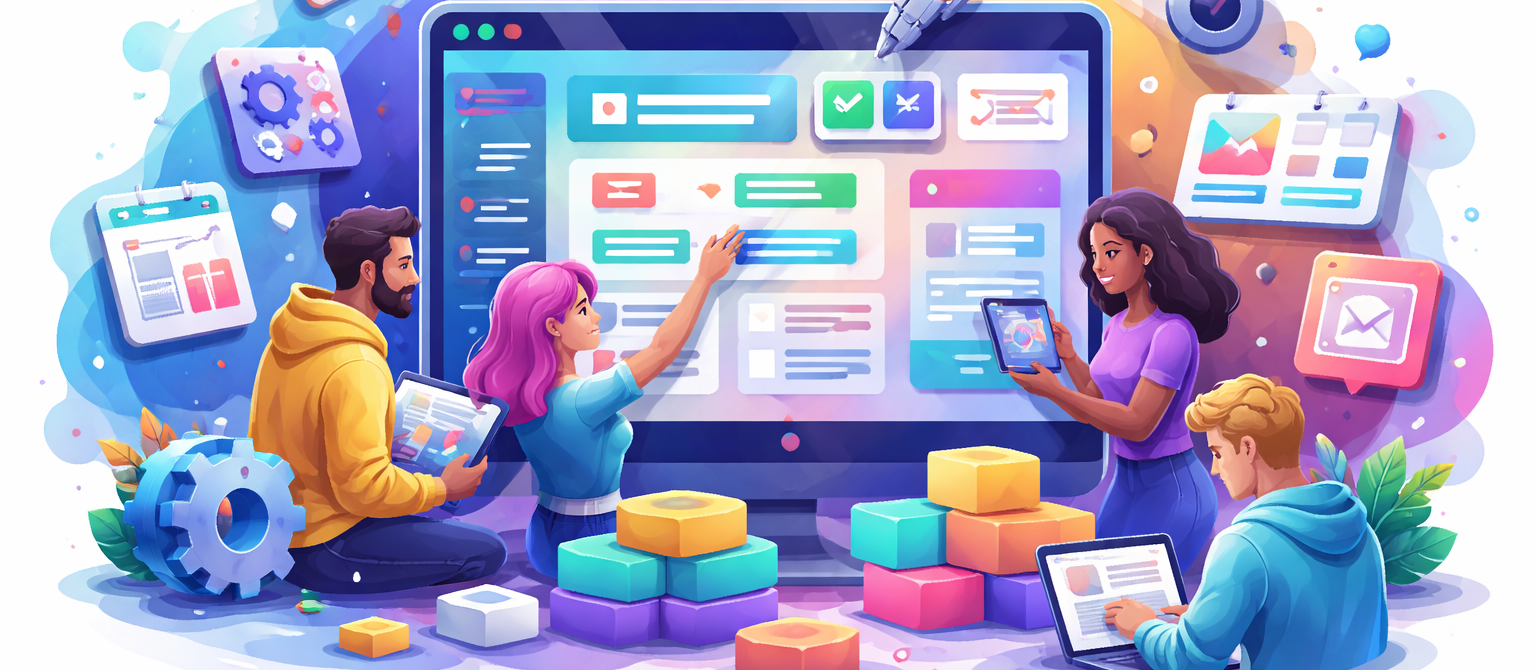
No-Code Revolution 2.0: The Future of App Development

The way software is built is changing rapidly, and at the center of this transformation is the No-Code Revolution 2.0. What once required years of coding experience can now be achieved using visual tools, automation, and AI-powered platforms. In 2026, no-code is no longer just an alternative—it has become a core part of modern software development.

From startups and small businesses to large enterprises, organizations are adopting no-code solutions to build products faster, reduce costs, and empower non-technical users to turn ideas into reality.

This blog explains what No-Code Revolution 2.0 is, why it matters, how it works, and what it means for the future of technology.


🔍 What Is No-Code?

No-code refers to development platforms that allow users to create applications, websites, and workflows without writing traditional code. Instead of programming languages, users interact with:

  • Visual drag-and-drop builders
  • Pre-built components
  • Configuration-based logic
  • Automated workflows

No-code platforms abstract technical complexity and allow users to focus on what they want to build, not how the code works behind the scenes.


🧠 What Is No-Code Revolution 2.0?

The No-Code Revolution 2.0 represents the next generation of no-code tools.

No-Code 1.0 (Earlier Phase)

  • Simple website builders
  • Static landing pages
  • Limited customization
  • Minimal scalability

No-Code 2.0 (Modern Phase – 2026)

  • Full-stack web and mobile applications
  • Scalable SaaS products
  • AI-powered logic and automation
  • Enterprise-grade security
  • Integration with APIs, databases, and cloud services

No-code has evolved from a basic tool into a serious development ecosystem.


⚙️ Why No-Code Is Growing So Fast in 2026

Several global trends are accelerating the no-code movement:

Key Growth Drivers:

  • Shortage of skilled software developers
  • Rising development costs
  • Faster product launch requirements
  • Startup and creator economy growth
  • Digital transformation across industries

Businesses can no longer afford slow development cycles. No-code enables teams to build and iterate 10x faster.


🧩 How No-Code Platforms Work

Modern no-code platforms provide everything needed to build applications:

  • Visual UI builders
  • Database management
  • Authentication systems
  • Workflow automation
  • Third-party API integrations

Users design logic visually, while the platform automatically generates and manages the underlying code.

This allows rapid development without sacrificing functionality.


🤖 Role of AI in No-Code Revolution 2.0

AI has taken no-code to a whole new level in 2026.

AI Enhancements in No-Code:

  • Automatic UI generation
  • Smart workflow suggestions
  • Natural language app creation
  • AI-driven optimization
  • Intelligent automation

With AI, users can now describe what they want to build, and the platform helps generate it—making no-code more powerful and accessible than ever.


🏗️ What Can You Build with No-Code in 2026?

Today, no-code platforms can be used to build:

  • Business websites
  • Mobile applications
  • SaaS products
  • CRM and internal tools
  • Workflow automation systems
  • Dashboards and analytics platforms

Many startups now build entire MVPs and production apps using no-code tools.


👩💼 Who Is Using No-Code?

No-code is used by a wide range of people:

  • Entrepreneurs and startup founders
  • Product managers
  • Designers
  • Marketers
  • Small business owners
  • Freelancers
  • Professional developers

Even experienced developers use no-code to prototype faster and automate repetitive tasks.


⚖️ No-Code vs Traditional Coding

FeatureNo-CodeTraditional Coding
Development speedVery fastSlower
Learning curveLowHigh
CostLowerHigher
FlexibilityLimitedVery high
ScalabilityImprovingExcellent

No-code does not replace coding, but it significantly reduces the need for custom code in many scenarios.


⚠️ Limitations of No-Code Platforms

Despite its advantages, no-code has limitations:

  • Limited customization for complex logic
  • Platform dependency
  • Vendor lock-in risks
  • Performance constraints for very large systems

For highly complex, performance-critical, or custom systems, traditional coding is still necessary.


🧠 Does No-Code Replace Developers?

Short answer: No

Long answer:

  • No-code replaces repetitive and low-level tasks
  • Developers focus on architecture, logic, and optimization
  • Demand for skilled developers continues to grow

No-code changes how developers work, not whether they are needed.


💼 Career Opportunities in the No-Code Era

The rise of no-code has created new career paths:

Emerging Roles:

  • No-Code Developer
  • Automation Specialist
  • Product Builder
  • MVP Consultant
  • Workflow Designer

These roles combine business understanding with technical thinking, making them highly valuable.


🌍 Business Impact of No-Code Revolution 2.0

For businesses, no-code offers:

  • Faster innovation
  • Lower development costs
  • Reduced dependency on engineering teams
  • Rapid experimentation and iteration

Small businesses can now compete with large enterprises using no-code tools.


🔮 Future of No-Code Revolution 2.0

Looking ahead, no-code will continue to evolve:

  • Deeper AI integration
  • Hybrid no-code + low-code systems
  • Enterprise-level scalability
  • Better security and compliance
  • Wider adoption across industries

In the future, no-code will become a standard layer of software development, not a niche solution.


🎓 Should Beginners Learn No-Code in 2026?

Absolutely.

No-code is ideal for:

  • Beginners entering the tech world
  • Entrepreneurs validating ideas
  • Students building projects
  • Non-technical professionals

Learning no-code builds product thinking, logic, and confidence—essential skills in the digital economy.


🧾 Final Thoughts

The No-Code Revolution 2.0 is reshaping who can build technology and how fast innovation can happen. By removing technical barriers, no-code empowers more people to create, experiment, and launch ideas at scale.

Traditional coding will always remain important, but the future of development is not code vs no-code—it is code + no-code working together.

In 2026 and beyond, those who understand both worlds will have a significant advantage.


🔗 Official References & Further Reading

For trusted insights on no-code and digital transformation, you can visit:

Note: If you can’t visit these links due to regional or network restrictions, don’t worry.
This article is based on publicly available research, industry trends, and real-world use cases.

SEO & Digital Marketing: The Complete Guide to Growing Online in 2026

In today’s digital-first world, having an online presence is no longer enough. Millions of websites compete for attention every single day. This is where SEO and Digital Marketing play a crucial role.

Whether you are a business owner, student, blogger, or marketing professional, understanding SEO and digital marketing is essential to grow online, reach the right audience, and achieve long-term success.

This blog explains SEO & Digital Marketing in a simple, practical, and beginner-friendly way.


🔍 What Is Digital Marketing?

Digital Marketing refers to promoting products, services, or brands using digital channels such as:

  • Search engines
  • Websites
  • Social media
  • Email
  • Mobile apps

Unlike traditional marketing, digital marketing allows businesses to reach a global audience, track performance, and optimize strategies in real time.


🔎 What Is SEO (Search Engine Optimization)?

SEO is a core part of digital marketing.
It focuses on improving a website’s visibility on search engines like Google.

In simple words:

SEO helps your website appear higher in search results when people search for relevant topics.

Good SEO means:

  • More organic traffic
  • Better credibility
  • Higher conversions
  • Long-term growth

🧠 Why SEO & Digital Marketing Matter Today

People rely on the internet for almost everything:

  • Searching for products
  • Reading reviews
  • Learning new skills
  • Making buying decisions

If your business or content is not visible online, you don’t exist for most users.

Key reasons they matter:

  • Increased online competition
  • Growing mobile and internet users
  • Data-driven marketing decisions
  • Cost-effective promotion
  • Measurable results

📊 Core Components of Digital Marketing

📌 1. Search Engine Optimization (SEO)

Improves organic visibility on search engines.

Types of SEO:

  • On-page SEO
  • Off-page SEO
  • Technical SEO

📌 2. Content Marketing

Creating valuable content such as:

  • Blogs
  • Videos
  • Infographics
  • Social posts

Content builds trust and attracts long-term traffic.


📌 3. Social Media Marketing

Promoting brands on platforms like:

  • Instagram
  • Facebook
  • LinkedIn
  • X (Twitter)

Helps with engagement and brand awareness.


📌 4. Email Marketing

Direct communication with users through emails.

Used for:

  • Promotions
  • Newsletters
  • Customer retention

📌 5. Paid Advertising (PPC)

Running paid ads on:

  • Google Ads
  • Social media platforms

Delivers quick results but requires budget management.


🔍 How SEO Works (Step by Step)

  1. User searches a keyword
  2. Search engine crawls websites
  3. Content is indexed
  4. Ranking algorithm evaluates relevance
  5. Best results appear on the first page

SEO focuses on optimizing content and websites to rank higher in this process.


🧩 Key Elements of SEO

Keyword Research

Finding what users are searching for.


On-Page SEO

  • Title tags
  • Meta descriptions
  • Headings
  • Content optimization

Technical SEO

  • Website speed
  • Mobile friendliness
  • Secure HTTPS
  • Proper indexing

Off-Page SEO

  • Backlinks
  • Brand mentions
  • Authority building

🚀 Benefits of SEO & Digital Marketing

  • Increased website traffic
  • Better brand visibility
  • Higher ROI compared to traditional marketing
  • Long-term growth
  • Better understanding of customers

SEO is an investment, not an expense.


⚠️ Common Mistakes in SEO & Digital Marketing

❌ Ignoring keyword research
❌ Keyword stuffing
❌ Low-quality content
❌ Not optimizing for mobile
❌ Expecting instant results

SEO takes time but delivers sustainable success.


🤖 Role of AI in SEO & Digital Marketing

AI is transforming digital marketing by:

  • Improving keyword research
  • Optimizing content
  • Automating analytics
  • Enhancing personalization

However, human creativity and strategy are still essential.


💼 Career Scope in SEO & Digital Marketing

SEO & digital marketing offer strong career opportunities.

Popular Roles:

  • SEO Specialist
  • Digital Marketing Executive
  • Content Strategist
  • Social Media Manager
  • PPC Expert

Skills Required:

  • Analytical thinking
  • Content creation
  • SEO tools knowledge
  • Communication skills

This field is ideal for both freelancers and full-time professionals.


🌍 SEO & Digital Marketing for Businesses

Businesses use digital marketing to:

  • Generate leads
  • Increase sales
  • Build brand trust
  • Reach targeted audiences

Small businesses can compete with large brands using smart SEO strategies.


🔮 Future of SEO & Digital Marketing

The future is evolving rapidly:

  • Voice search optimization
  • AI-driven marketing
  • Video-first content
  • User experience-focused SEO
  • Privacy-friendly tracking

Those who adapt early will stay ahead.


🧾 Final Thoughts

SEO & Digital Marketing are the backbone of online growth. In a world where attention is currency, visibility determines success.

Whether you want to grow a business, build a personal brand, or start a digital career, learning SEO and digital marketing is one of the smartest decisions you can make today.


🔗 Official References & Further Reading

For trusted and official learning resources, you can visit:

👉 Search engine guidelines & SEO basics:
https://developers.google.com/search

👉 Digital marketing insights and trends:
https://www.weforum.org/topics/digital-marketing

Note: If you can’t visit these links due to regional or network restrictions, don’t worry.
This article is based on publicly available resources, industry best practices, and real-world experience.

Why Security and Privacy Matter Today

In today’s hyper-connected digital world, security and privacy are no longer optional—they are essential. Every time we browse the internet, use social media, shop online, or store data in the cloud, we are trusting technology with our personal and professional information.

With increasing cyber threats, data breaches, and digital surveillance, the focus on security and privacy has become more important than ever before.

This blog explores what security and privacy mean, why they matter, the challenges they face, and how individuals and organizations can protect themselves in the digital age.


🔍 What Is Security in Technology?

Security in technology refers to the protection of systems, networks, and data from unauthorized access, attacks, damage, or misuse.

Security focuses on:

  • Protecting data from hackers
  • Preventing cyberattacks
  • Ensuring system integrity
  • Maintaining availability of services

Without proper security, digital systems become vulnerable to exploitation.


🔐 What Is Privacy in Technology?

Privacy is about protecting an individual’s personal information and controlling how it is collected, stored, and shared.

Privacy ensures:

  • Users have control over their personal data
  • Information is not misused or exposed
  • Consent is respected
  • Personal identity is protected

In simple words:

Security protects data from attacks, while privacy protects data from misuse.


🧠 Why Security and Privacy Are Critical Today

The amount of data generated daily is massive. From emails and photos to financial and biometric data, everything is stored digitally.

Key reasons security and privacy matter:

  • Rising cybercrime and hacking incidents
  • Increased online surveillance
  • Growth of cloud computing and remote work
  • Expansion of AI and data analytics
  • Dependence on digital platforms

A single security failure can affect millions of users.


⚠️ Common Security Threats in the Digital World

🦠 1. Malware and Ransomware

Malicious software can steal data, damage systems, or lock users out of their own files.


🎣 2. Phishing Attacks

Fake emails or websites trick users into sharing passwords or sensitive information.


💣 3. Data Breaches

Unauthorized access to databases exposes personal and financial data.


🌐 4. Man-in-the-Middle Attacks

Attackers intercept communication between two parties to steal information.


🔎 Privacy Challenges in Modern Technology

📊 1. Data Collection Without Consent

Many platforms collect user data without clear permission.


👁️ 2. Surveillance and Tracking

Online activities are often tracked for advertising or monitoring purposes.


🤖 3. AI and Facial Recognition

Advanced AI systems can identify and track individuals, raising serious privacy concerns.


☁️ 4. Cloud Data Storage Risks

Storing data on remote servers increases the risk of unauthorized access if not secured properly.


🔐 Security and Privacy in Social Media

Social media platforms store massive amounts of personal data.

Risks include:

  • Identity theft
  • Account hacking
  • Location tracking
  • Data misuse by third parties

Users often trade privacy for convenience without realizing the long-term impact.


🧑‍💼 Role of Organizations in Security and Privacy

Companies handling user data have a moral and legal responsibility.

Organizational responsibilities:

  • Implement strong cybersecurity practices
  • Encrypt sensitive data
  • Follow data protection laws
  • Inform users about data usage
  • Respond transparently to data breaches

Trust is built when organizations respect user privacy.


👨💻 Security and Privacy for Developers

Developers play a critical role in protecting digital systems.

Best practices for developers:

  • Write secure code
  • Validate user input
  • Protect APIs
  • Implement authentication and authorization
  • Regularly update dependencies

Security should be built from the start, not added later.


⚖️ Security vs Privacy: Finding the Balance

Sometimes security measures can conflict with privacy.

Example:

  • Surveillance improves security but reduces privacy

The goal is to find a balance where:

  • Systems are secure
  • User privacy is respected
  • Transparency is maintained

Ethical decision-making is essential.


🌍 Laws and Regulations for Security and Privacy

Governments worldwide have introduced regulations to protect users.

Examples:

  • Data protection laws
  • Cybersecurity regulations
  • Privacy compliance frameworks

These laws aim to:

  • Give users control over their data
  • Hold organizations accountable
  • Reduce misuse of personal information

Compliance is no longer optional.


🚀 Future of Security and Privacy

As technology advances, security and privacy challenges will grow.

Future trends:

  • Zero-trust security models
  • Privacy-focused design (Privacy by Design)
  • AI-powered cybersecurity
  • Stronger encryption standards
  • Increased user awareness

Security and privacy will become core features, not add-ons.


🎓 How Individuals Can Protect Their Security and Privacy

Everyone can take simple steps:

  • Use strong passwords
  • Enable two-factor authentication
  • Avoid suspicious links
  • Keep software updated
  • Limit sharing personal information

Digital safety starts with awareness.


🧾 Final Thoughts

Security and Privacy are the foundation of trust in the digital world. Without them, technology becomes a risk rather than a benefit.

As users, developers, and organizations, we all share responsibility in protecting data and respecting privacy.

A secure and privacy-focused digital future is not just possible—it is necessary.


🔗 Official References & Further Reading

For trusted and official information on security and privacy, you can visit:

👉 Cybersecurity standards and guidelines:
https://www.nist.gov/cybersecurity

👉 Privacy and data protection insights:
https://www.weforum.org/topics/cybersecurity

Note: If you can’t visit these links due to regional or network restrictions, don’t worry.
This article is based on publicly available research, global security standards, and industry best practices.

Quantum Computing: The Future of Computing

Quantum Computing is one of the most exciting and revolutionary technologies of the modern era. While classical computers have powered the digital world for decades, they are slowly reaching their physical and computational limits. Quantum computing promises to go far beyond these limits by using the laws of quantum physics.

But what exactly is quantum computing?
Why is the world investing billions into it?
And how will it change the future of technology?

This blog explains Quantum Computing in a simple, clear, and beginner-friendly way.


🔍 What Is Quantum Computing?

Quantum computing is a new type of computing that uses the principles of quantum mechanics to process information.

Traditional computers use bits, which can be either:

  • 0 or
  • 1

Quantum computers use qubits (quantum bits), which can exist as:

  • 0
  • 1
  • or both at the same time

This unique ability allows quantum computers to perform certain calculations exponentially faster than classical computers.


🧠 Why Classical Computers Have Limits

Classical computers are incredibly powerful, but they struggle with problems like:

  • Complex simulations
  • Large-scale optimization
  • Cryptography
  • Molecular modeling

As data grows, these problems become too complex and time-consuming, even for supercomputers.

Quantum computing was introduced to solve problems that are practically impossible for classical systems.


⚛️ Key Principles of Quantum Computing

📌 1. Superposition

A qubit can exist in multiple states at the same time.

This means a quantum computer can process many possibilities simultaneously, unlike classical computers that work step by step.


📌 2. Entanglement

Entangled qubits are connected in such a way that the state of one instantly affects the other—no matter how far apart they are.

This enables extremely fast and coordinated computation.


📌 3. Quantum Interference

Quantum systems use interference to amplify correct solutions and cancel out incorrect ones.

This makes quantum algorithms more efficient and accurate.


🖥️ How Quantum Computers Work

A quantum computer consists of:

  • Qubits
  • Quantum gates
  • Quantum circuits
  • Cryogenic systems (very low temperatures)

Qubits are extremely sensitive and usually require near-absolute zero temperatures to function properly.

Because of this, quantum computers are currently expensive and difficult to maintain.


🤖 Quantum Computing vs Classical Computing

FeatureClassical ComputingQuantum Computing
Data unitBit (0 or 1)Qubit (0, 1, or both)
ProcessingSequentialParallel
SpeedLimitedExtremely fast (for specific tasks)
Use casesGeneral computingComplex problem solving

Quantum computers are not meant to replace classical computers, but to complement them.


🌐 Applications of Quantum Computing

Quantum computing has the potential to transform many industries.

🧪 1. Healthcare & Drug Discovery

  • Simulating molecules
  • Faster drug development
  • Personalized medicine

🔐 2. Cryptography & Cybersecurity

  • Breaking traditional encryption
  • Creating quantum-safe encryption
  • Secure communication

📈 3. Finance & Optimization

  • Risk analysis
  • Portfolio optimization
  • Fraud detection

🚗 4. Artificial Intelligence & Machine Learning

  • Faster model training
  • Complex data analysis
  • Improved pattern recognition

🌍 5. Climate & Scientific Research

  • Climate modeling
  • Material science
  • Energy optimization

⚠️ Challenges of Quantum Computing

Despite its promise, quantum computing faces major challenges.

1. Hardware Limitations

Qubits are fragile and prone to errors.


2. Error Correction

Quantum error correction is extremely complex and resource-intensive.


3. High Cost

Quantum systems require specialized equipment and environments.


4. Limited Accessibility

Quantum computing is still mostly limited to research labs and large corporations.


🧠 Is Quantum Computing the Future?

Yes—but not overnight.

Quantum computing is still in its early stages. For now:

  • Classical computers handle daily tasks
  • Quantum computers solve specialized problems

In the future, hybrid systems combining classical and quantum computing will become common.


💼 Career Opportunities in Quantum Computing

Quantum computing opens doors to advanced careers.

🔧 Popular Roles:

  • Quantum Software Engineer
  • Quantum Research Scientist
  • Quantum Algorithm Developer
  • Quantum Hardware Engineer

🎓 Skills Required:

  • Mathematics & linear algebra
  • Physics basics
  • Programming (Python, Qiskit)
  • Quantum theory fundamentals

This field is challenging but highly rewarding.


🎓 Quantum Computing for Beginners

If you are new to this field:

  1. Learn basic physics concepts
  2. Understand classical computing
  3. Study quantum mechanics fundamentals
  4. Practice with quantum simulators
  5. Follow current research and trends

You don’t need to be a genius—just consistent and curious.


🌍 Future of Quantum Computing

The future looks promising:

  • Quantum cloud platforms
  • Quantum-safe cryptography
  • Integration with AI and cloud computing
  • Wider industry adoption

Governments and tech giants are investing heavily in quantum research.


🧾 Final Thoughts

Quantum Computing is not science fiction anymore—it is a powerful emerging technology that will redefine computing as we know it.

While it may not affect daily life immediately, its long-term impact on science, security, and innovation will be enormous.

Understanding quantum computing today prepares you for the technology of tomorrow.


🔗 Official References & Further Reading

For trusted and official learning resources, you can visit:

👉 Quantum computing research & standards:
https://quantum-computing.ibm.com

👉 Quantum science & future technology insights:
https://www.nature.com/subjects/quantum-computing

Note: If you can’t visit these links due to regional or network restrictions, don’t worry.
This article is based on publicly available research, academic studies, and global technology discussions.

Ethics of Technology: Why Ethical Tech Matters in the Digital Age (2025)

Technology is evolving faster than ever before. Artificial intelligence, big data, social media, automation, and digital surveillance have transformed how we live, work, and communicate. While these advancements bring efficiency and innovation, they also raise serious ethical questions.

This is where the Ethics of Technology becomes critically important.

Ethics of technology focuses on understanding what is right and wrong in the design, development, and use of technology. It ensures that technological progress benefits humanity without harming individuals, societies, or fundamental human values.


🔍 What Is the Ethics of Technology?

The Ethics of Technology is a branch of applied ethics that examines:

  • How technology impacts human behavior and society
  • Moral responsibilities of developers, companies, and governments
  • Risks related to misuse of technology
  • Fairness, accountability, and transparency in digital systems

In simple words:

Technology ethics asks not just “Can we build it?” but “Should we build it?”


🧠 Why Is Ethics Important in Technology?

Technology influences decisions at a massive scale—from what content we see online to whether someone qualifies for a loan or a job. Without ethical considerations, technology can cause serious harm.

Key reasons ethics matters:

  • Protects user privacy
  • Prevents misuse of power
  • Reduces discrimination and bias
  • Builds trust in digital systems
  • Ensures responsible innovation

Ethical technology puts human well-being above profit and speed.


🤖 Ethics of Artificial Intelligence (AI)

AI is one of the most powerful technologies today—and also one of the most ethically sensitive.

⚠️ Ethical Issues in AI:

  • Algorithmic bias and discrimination
  • Lack of transparency (black-box models)
  • Job displacement due to automation
  • Surveillance and misuse of facial recognition
  • AI-generated misinformation

If AI systems are trained on biased data, they can produce unfair and harmful outcomes.

👉 Ethical AI requires fairness, explainability, and accountability.


🔐 Data Privacy and Surveillance Ethics

In the digital age, data is power.

Companies collect:

  • Personal information
  • Location data
  • Browsing behavior
  • Biometric data

Ethical Concerns:

  • Unauthorized data collection
  • Selling user data without consent
  • Mass surveillance
  • Data breaches and misuse

Users often don’t know how their data is being used.

Ethical technology demands:

  • Transparency
  • User consent
  • Data protection
  • Strong security practices

📱 Ethics of Social Media and Digital Platforms

Social media platforms shape opinions, emotions, and even elections.

Ethical Challenges:

  • Spread of misinformation and fake news
  • Mental health issues caused by excessive use
  • Manipulative algorithms designed for addiction
  • Online harassment and cyberbullying

Platforms have an ethical responsibility to:

  • Promote truthful information
  • Protect users from harm
  • Avoid exploiting human psychology

🧑‍💼 Responsibility of Tech Companies

Tech companies hold enormous influence over society.

Ethical Responsibilities Include:

  • Designing user-centric products
  • Avoiding dark patterns and manipulation
  • Ensuring accessibility for all users
  • Being transparent about algorithms
  • Acting responsibly during data breaches

Profit should never come at the cost of human rights or social harm.


👨💻 Ethics for Software Developers and Engineers

Developers are not just coders—they are decision-makers.

Ethical Duties of Developers:

  • Writing secure and reliable code
  • Avoiding intentional harm or exploitation
  • Protecting user data
  • Reporting unethical practices
  • Considering long-term consequences

A single line of unethical code can affect millions of users.


⚖️ Ethics vs Innovation: Finding the Balance

A common myth is that ethics slows down innovation.

Reality:

  • Ethics improves sustainable innovation
  • Ethical products gain long-term trust
  • Responsible tech reduces legal and social risks

Ethics and innovation are not enemies—they are partners.


🌍 Ethics of Technology in Society

Technology affects:

  • Democracy
  • Employment
  • Education
  • Healthcare
  • Freedom of expression

Unethical technology can increase inequality, bias, and social division.
Ethical technology promotes fairness, inclusion, and empowerment.


🚀 Future Challenges in Technology Ethics

As technology evolves, ethical challenges will grow.

Emerging Ethical Issues:

  • AI decision-making in law and healthcare
  • Deepfakes and synthetic media
  • Autonomous weapons
  • Human–machine integration
  • Digital identity and biometrics

Society must address these challenges before harm becomes irreversible.


🎓 Teaching Ethics in Technology Education

Ethics should be part of:

  • Engineering courses
  • Computer science programs
  • Developer training
  • Corporate policies

Teaching ethics ensures that future technologists build systems that respect human values.


🧾 Final Thoughts

The Ethics of Technology is no longer optional—it is essential.

As technology becomes more powerful, the responsibility to use it wisely becomes greater. Ethical decision-making ensures that innovation serves humanity rather than controlling it.

A truly advanced society is not defined by how fast it builds technology, but by how responsibly it uses it.


🔗 Official References & Further Reading

For trusted and official insights on technology ethics, you can visit:

👉 Ethics & technology standards:
https://www.ieee.org/about/corporate/governance/p7-ethics.html

👉 AI ethics and digital responsibility:
https://www.weforum.org/topics/ethics-and-technology

Note: If you can’t visit these links due to network or regional restrictions, don’t worry.
This article is based on publicly available research, ethical frameworks, and global technology discussions.

Internet and Networking: A Complete Beginner-to-Advanced Guide

The Internet has become the backbone of modern life. From sending emails and attending online meetings to streaming videos and running global businesses, everything depends on Internet and Networking. Yet, many people use the internet daily without understanding how it actually works.

This blog explains Internet and Networking in a simple, structured, and beginner-friendly way—while also covering concepts useful for students, developers, and IT professionals.


🔍 What Is the Internet?

The Internet is a massive global network of interconnected computers and servers that communicate with each other using standard protocols.

In simple terms:

The Internet is a network of networks.

It allows devices like computers, smartphones, and servers to:

  • Share data
  • Communicate in real time
  • Access information from anywhere in the world

Without the internet, modern digital communication would not exist.


🧠 What Is Networking?

Networking refers to the process of connecting multiple devices so they can communicate and share resources.

A network can exist:

  • Inside a home
  • Inside an office
  • Across cities or countries

Common Networking Examples:

  • Computers connected in a school lab
  • Wi-Fi at home
  • Corporate office networks
  • Data centers

The internet itself is the largest network ever created.


🖧 Types of Computer Networks

Networking is categorized based on size and coverage.

📌 1. LAN (Local Area Network)

  • Covers a small area (home, office, school)
  • High speed
  • Low cost

Example: Home Wi-Fi network


📌 2. MAN (Metropolitan Area Network)

  • Covers a city or large campus
  • Faster than WAN
  • Used by ISPs and universities

📌 3. WAN (Wide Area Network)

  • Covers large geographical areas
  • Connects multiple LANs and MANs

Example: The Internet itself


🌐 How the Internet Works (Step by Step)

When you type a website URL in your browser:

  1. Browser sends a request
  2. DNS converts domain name into IP address
  3. Request travels through routers and servers
  4. Web server processes the request
  5. Data is sent back to your browser
  6. Website is displayed on your screen

All of this happens in milliseconds.


📡 Key Networking Components

🖥️ 1. Server

A server stores websites, applications, and data.
It responds to client requests.


💻 2. Client

A client is any device that requests data, such as:

  • Laptop
  • Mobile phone
  • Tablet

📶 3. Router

A router directs data between networks.
It decides the best path for data to travel.


🔌 4. Switch

A switch connects devices within a network and improves performance.


🌐 5. IP Address

An IP address is a unique identifier for a device on a network.

Example:

  • IPv4: 192.168.1.1
  • IPv6: 2001:db8::1

🔐 Networking Protocols Explained

Protocols define rules for communication.

📌 Common Internet Protocols:

  • HTTP / HTTPS – Web communication
  • FTP – File transfer
  • SMTP – Email sending
  • POP3 / IMAP – Email receiving
  • TCP/IP – Core internet protocol

Without protocols, devices wouldn’t understand each other.


🔒 Internet Security & Networking

With connectivity comes risk. Networking security is critical.

⚠️ Common Threats:

  • Hacking
  • Phishing
  • Malware
  • Data breaches

Security Measures:

  • Firewalls
  • Encryption
  • Secure protocols (HTTPS)
  • VPNs
  • Strong authentication

Networking professionals play a vital role in protecting data.


☁️ Role of Internet in Cloud Computing

Cloud computing exists because of the internet.

Services like:

  • Online storage
  • Web applications
  • Remote servers

all rely on fast, secure networking.

Without strong networking infrastructure, cloud services would fail.


🚀 Importance of Internet and Networking in Modern Life

Internet and networking impact almost every industry:

  • Education (online learning)
  • Healthcare (telemedicine)
  • Business (e-commerce)
  • IT & Software development
  • Banking & finance
  • Entertainment

They have changed how humans work, learn, and communicate.


💼 Career Scope in Internet and Networking

Networking is a strong and stable career path.

🔧 Popular Roles:

  • Network Engineer
  • System Administrator
  • Network Security Analyst
  • Cloud Network Architect
  • IT Support Engineer

🎓 Required Skills:

  • Networking fundamentals
  • TCP/IP knowledge
  • Routing & switching
  • Security concepts
  • Troubleshooting

Networking professionals are always in demand.


🎓 Internet & Networking for Beginners

If you are new:

  1. Learn basic networking terms
  2. Understand how the internet works
  3. Practice using network tools
  4. Learn security basics
  5. Move toward advanced certifications

Strong fundamentals open many IT career paths.


⚠️ Common Myths About Internet and Networking

❌ Internet and networking are the same
❌ Networking is outdated
❌ Only hardware knowledge is required

✅ Reality:

  • Internet is part of networking
  • Networking evolves constantly
  • Software + hardware skills are both important

🌍 Future of Internet and Networking

The future looks powerful and fast:

  • 5G & beyond
  • IoT (Internet of Things)
  • Cloud-native networks
  • AI-driven network management

Networking will become smarter, faster, and more secure.


🧾 Final Thoughts

Internet and Networking are not just technical topics—they are the foundation of the digital world. Understanding them gives you clarity, confidence, and career opportunities.

Whether you are a student, developer, or IT professional, learning networking is never a waste of time.


🔗 Official References & Further Reading

For trusted and official learning resources, you can visit:

👉 Internet standards & protocols:
https://www.ietf.org

👉 Networking fundamentals & research:
https://www.cisco.com

Note: If you can’t visit these links due to network or regional restrictions, don’t worry.
This article already summarizes the most important concepts you need to understand Internet and Networking.

React vs Angular vs Vue – Which One Should You Choose

Choosing the right frontend framework is one of the most important decisions for any web developer. With so many options available, three names dominate the conversation:

React, Angular, and Vue

Each of these technologies is powerful, popular, and widely used—but they are not the same. Many beginners and even experienced developers struggle with one simple question:

React vs Angular vs Vue – which one should you choose?

In this blog, we’ll break everything down clearly so you can make the right decision based on your goals, not confusion or hype.


🔍 Why Choosing the Right Framework Matters

Frontend frameworks are not just tools—they shape:

  • How you think about UI development
  • How fast you build applications
  • Your job opportunities
  • Your long-term career growth

Choosing the wrong one won’t ruin your career, but choosing the right one can accelerate it significantly.


⚛️ What Is React?

React is a JavaScript library developed by Facebook (Meta). It focuses on building user interfaces using components.

Key Features of React:

  • Component-based architecture
  • Virtual DOM for better performance
  • One-way data binding
  • Huge ecosystem and community
  • Strong demand in the job market

React is not a full framework. You often need additional libraries for:

  • Routing
  • State management
  • Form handling

But this flexibility is exactly why developers love it.


🅰️ What Is Angular?

Angular is a full-fledged frontend framework developed by Google. Unlike React, Angular comes with everything built-in.

Key Features of Angular:

  • Complete MVC/MVVM architecture
  • Two-way data binding
  • Built-in routing, forms, HTTP client
  • Written in TypeScript
  • Enterprise-level structure

Angular is powerful but also complex, especially for beginners.


🟢 What Is Vue?

Vue is a progressive JavaScript framework created by Evan You. It is designed to be simple, flexible, and easy to learn.

Key Features of Vue:

  • Easy learning curve
  • Component-based design
  • Reactive data binding
  • Clean and readable syntax
  • Lightweight and fast

Vue combines the best parts of React and Angular, making it very beginner-friendly.


⚖️ React vs Angular vs Vue – Core Comparison

📌 Learning Curve

  • React: Moderate
  • Angular: Steep
  • Vue: Easy

👉 Beginners usually find Vue easiest, Angular hardest.


📌 Flexibility

  • React: Highly flexible
  • Angular: Opinionated and structured
  • Vue: Balanced flexibility

React lets you choose how you build things, while Angular tells you how things must be done.


📌 Performance

All three frameworks are highly optimized.

  • React uses Virtual DOM
  • Vue uses Virtual DOM
  • Angular uses real DOM but optimized

👉 In real-world apps, performance differences are negligible.


📌 Community & Job Market

  • React: Very large community, highest job demand
  • Angular: Strong enterprise demand
  • Vue: Growing community, fewer jobs than React

If your goal is maximum job opportunities, React currently leads.


🧠 When Should You Choose React?

Choose React if:

  • You want maximum job opportunities
  • You plan to work with startups or global companies
  • You like flexibility and modern JavaScript
  • You want to build scalable web apps

React is widely used by companies like Facebook, Netflix, Airbnb, and Uber.

👉 Best for: Career-focused developers and freelancers


🏢 When Should You Choose Angular?

Choose Angular if:

  • You want to work on large enterprise applications
  • You prefer strict structure and conventions
  • You are comfortable with TypeScript
  • You plan to work in corporate or government projects

Angular is commonly used in banking, insurance, and large internal systems.

👉 Best for: Enterprise-level development


🚀 When Should You Choose Vue?

Choose Vue if:

  • You are a beginner in frontend development
  • You want quick results and less complexity
  • You prefer clean and readable code
  • You want a smooth learning experience

Vue is popular in small to medium projects and startups.

👉 Best for: Beginners and rapid development


🎓 What Should Beginners Choose?

If you are just starting out, here’s honest advice:

  • ❌ Don’t start with Angular
  • ✅ Start with Vue or React

If your goal is learning + jobs, React is the safest long-term option.
If your goal is easy learning + confidence, Vue is perfect.


💼 What Do Companies Prefer in 2025?

  • Startups: React, Vue
  • Mid-size companies: React
  • Large enterprises: Angular, React

React dominates the global market, while Angular still holds strong in enterprise environments.


⚠️ Common Mistake Developers Make

❌ Learning all three at once
❌ Choosing based on hype
❌ Ignoring JavaScript fundamentals

👉 Frameworks change. Core JavaScript skills stay forever.


🌍 Final Verdict: Which One Should You Choose?

There is no single “best” framework for everyone.

✔️ Choose React if:

You want jobs, flexibility, and long-term growth.

✔️ Choose Angular if:

You want enterprise-level structure and stability.

✔️ Choose Vue if:

You want simplicity, fast learning, and clean syntax.

Your success depends more on how well you understand one framework than how many you know.


🔗 Official Documentation (You Can Visit)

For official and trusted learning resources, you can visit:

👉 React Official Docs:
https://react.dev

👉 Angular Official Docs:
https://angular.io

👉 Vue Official Docs:
https://vuejs.org

Note: If you can’t visit these links due to network or regional restrictions, don’t worry.
This article already summarizes the most important concepts you need to make the right decision.

Can AI Replace Software Developers?

Artificial Intelligence (AI) has transformed the technology industry at an unbelievable speed. From chatbots and recommendation systems to automated code generation, AI is now deeply involved in software development. Because of this rapid growth, one question is constantly being asked by developers, students, and IT professionals:

Can AI replace software developers?

Will coding jobs disappear?
Will companies stop hiring programmers?
Is learning software development still worth it?

In this article, we will uncover the real truth—without hype, fear, or misinformation.


🔍 Why Are Software Developers Worried About AI?

The fear is understandable. Today, AI tools can:

  • Write code snippets
  • Fix syntax errors
  • Generate full applications
  • Suggest optimizations
  • Create documentation automatically

For many developers, this feels threatening. The common concerns include:

  • Entry-level developer jobs may disappear
  • AI is faster and cheaper than humans
  • Companies may reduce developer hiring

However, fear alone does not represent reality. To understand the future, we must first understand what AI can and cannot do.


🤖 What Can AI Do in Software Development?

AI currently acts as a supporting tool, not a replacement.

Tasks AI Can Handle Well:

  • Generating boilerplate code
  • Writing simple functions
  • Detecting syntax and logical errors
  • Providing code suggestions
  • Creating documentation and comments
  • Generating basic test cases

These are repetitive and time-consuming tasks that developers previously did manually.

👉 AI improves productivity, allowing developers to focus on more complex and meaningful work.


What AI Cannot Replace

This is where most misunderstandings exist.

🧠 1. Real-World Problem Solving

In real projects, problems are rarely clear or well-defined.

Examples:

  • “Improve user experience”
  • “Make the system scalable and secure”
  • “Optimize performance under heavy traffic”

AI does not understand:

  • Business goals
  • User emotions and behavior
  • Market demands
  • Trade-offs between cost, time, and quality

These decisions require human intelligence, experience, and judgment.


🎨 2. Creativity and Innovation

AI works by analyzing existing data.
It can improve what already exists, but it cannot truly innovate.

Ground-breaking ideas such as:

  • New startups
  • Unique products
  • Revolutionary platforms

come from human creativity, not algorithms.


🧑‍💼 3. Client Communication and Decision Making

Software developers do much more than coding:

  • Discuss requirements with clients
  • Resolve conflicts and misunderstandings
  • Make technical and business decisions
  • Manage deadlines and expectations

AI lacks emotional intelligence and contextual understanding, which are critical in real-world development.


🧠 So, Can AI Replace Software Developers?

Short Answer: No

Honest Answer:

👉 AI will replace developers who refuse to adapt.
👉 AI will empower developers who learn to use it effectively.

History proves this pattern:

  • Calculators didn’t replace mathematicians
  • IDEs didn’t replace programmers
  • Frameworks didn’t eliminate developers

AI is simply the next powerful tool, not a job killer.


🚀 The Future of Software Developers with AI

The role of developers will evolve, not disappear.

🔮 Future Developers Will Be:

  • Problem solvers
  • System architects
  • AI-assisted engineers
  • Product-focused thinkers

Developers who understand both technology and business needs will be in higher demand than ever.


💡 Skills Developers Must Learn to Stay Relevant

To stay future-proof, developers should focus on the following skills:

1. Strong Programming Fundamentals

  • Logic building
  • Data structures and algorithms
  • Debugging and optimization

AI can generate code, but it cannot replace strong fundamentals.


2. System Design and Architecture

AI can write small code blocks, but:

  • Scalable systems
  • Secure architectures
  • High-performance applications

require human planning and expertise.


3. Using AI as a Tool

Instead of competing with AI, developers should use it to:

  • Code faster
  • Learn better
  • Increase productivity

AI + Developer = A More Powerful Developer


4. Soft Skills (Often Ignored)

  • Communication
  • Critical thinking
  • Team collaboration

These skills are uniquely human and impossible for AI to fully replicate.


🎓 What About Freshers and Entry-Level Developers?

This is a valid concern.

Yes, some basic coding tasks may become automated.
But new roles are also emerging:

  • AI-assisted developers
  • Automation engineers
  • Technical consultants
  • Prompt-based engineering roles

Freshers who:

  • Build real projects
  • Understand core concepts
  • Learn to use AI tools wisely

👉 will have a strong and secure future.


⚠️ The Biggest Mistake Developers Are Making

❌ Panicking and quitting coding
❌ Relying completely on AI
❌ Ignoring programming fundamentals

AI is a shortcut, not a substitute for skills.


🌍 Final Verdict: The Real Truth

AI will not replace software developers.
But developers who fail to evolve may be replaced.

Technology has always changed industries. Those who adapt, survive—and thrive.

If you:

  • Continuously upgrade your skills
  • Work on real-world projects
  • Use AI as a smart assistant

👉 Your value as a developer will only increase.


🔗 Official References & Further Reading

For readers who want trusted and official insights on AI and software development, you can visit the links below:

👉 Official AI Research & Developer Updates:
https://openai.com/research

👉 Future of Jobs & AI – World Economic Forum:
https://www.weforum.org/topics/artificial-intelligence

Note: If you can’t visit these links due to regional or network restrictions, don’t worry.
This article is based on publicly available research, expert opinions, and real-world industry trends.